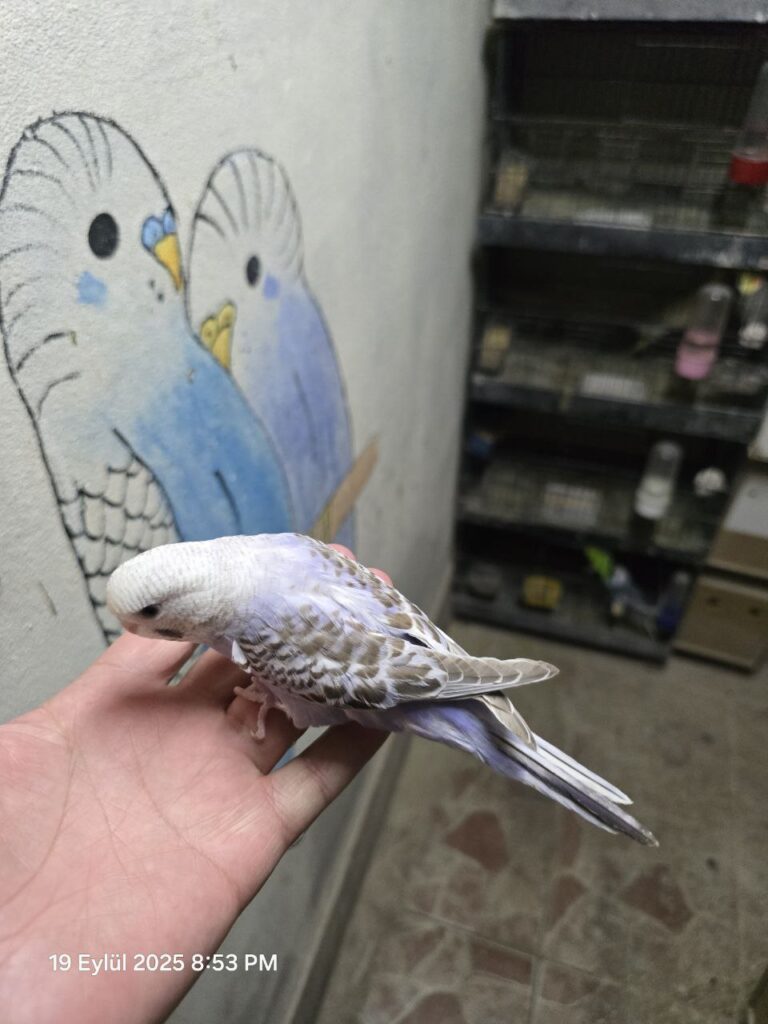
Introduction: Tiny Friend, Big Responsibility!
What Every Owner Needs to Know
Hello there, future superheroes of the bird world! Having a cheerful budgie (or “parakeet,” as they’re often called in the US) is one of the sweetest things ever. Those happy chirps, the funny head bobs—they just warm your heart!
But this fluffy little buddy has a secret: Budgies are superstars at hiding their illnesses! Back in the wild in Australia, looking weak meant shouting, “Come and get me!” to predators. So, even when they feel rubbish, they try to act tough. That’s where you, the awesome owner, come in! You need to be their secret health detective.
This ultimate checklist is designed to help you figure out if your feathered friend is always on top form. If everything on this list gets a “Check!” from you, congratulations! You’re doing a fantastic job!
🔍 Section 1: The Daily Check (The 5-Second Scan)
Do this quick check right after you wake up or before you cover the cage for the night.
1. The Visual Inspection: Feathers and Posture
A Healthy Budgie:
- Feathers: Bright, smooth, and sitting neatly. No constant plucking or messy/fluffed-up feathers (unless they’re sleeping!).
- Posture: Upright, alert, and active. Their feet are gripping the perches tightly. They look ready to fly or play.
- Eyes: Clear, bright, and fully open. No discharge, redness, or bald patches around the eyes.
- Nostrils (Nares): Dry, clean, and no crustiness around them. “Runny nose” is a definite no-no!
- Beak: Smooth, no cracks, and properly aligned.
- Feet and Nails: Smooth, not flaky, and nails aren’t ridiculously long. They can grip perches comfortably.
Funny Fact: Sometimes budgies stand on one foot with their feathers slightly puffed, like they’re saying, “I’m relaxing, leave me alone.” That’s totally normal! But if they’re constantly puffed up even while standing on two feet and look sleepy, start the alarm bells.
2. Food and Water Check
- Food Dish Checked: Has your budgie eaten a normal amount? Is there a sudden speed-eating habit or, worse, no eating at all?
- Water Dish Checked: Is the water clean? Did your budgie drink? (It can be tricky to know, but clean water is a must!)
- Are they refusing their favourite treat? This is one of the strongest and earliest signs of sickness in a budgie! If they won’t even touch that piece of beloved broccoli, something could be wrong.
3. Poop Patrol (Dropping Inspection)
Yes, I know, it’s not the most glamorous part of the job! But your bird’s poop is a map of their inside health.
- Normal Budgie Poop: It usually has two parts:
- The Solid Part: Green or brown (depending on the food they eat). It should be well-formed and firm.
- The White Part (Urates): Bright white or creamy colour. This is the solid version of their pee (uric acid).
- The Liquid Part: A tiny, clear ring of liquid (the actual urine).
- Alarm Poop:
- Consistently watery (diarrhea).
- Mostly just water (polyuria).
- The green part is very yellow or bright green.
- Traces of blood or a weird, nasty smell.
🔍 Section 2: Most Searched Topics on Google (In-Depth Review)
Here are the topics owners worry about most!
🐦 Subheading 1: “Why is My Budgie Puffed Up?” (The Fluff Factor)
This is one of the most-searched questions by new owners, and it is almost always health-related.
The Art of Puffing:
Birds puff up their feathers to create air pockets around their body. Think of it as putting on a puffy winter jacket.
- Slight Puff (Normal): Your bird might be slightly puffed if they are cold or relaxed (sleepy time). This is normal behaviour to conserve body heat. No need to panic.
- Constant and Extreme Puff (Red Alert): If your budgie is puffed up and lethargic (tired) for most of the day, especially while sitting upright, this is a critical sign. It means the bird is trying very hard to keep warm because its body is fighting an illness.
- Puffing + Shaking/Shivering: This means your bird is either extremely cold or severely sick.
Action Plan: If your budgie is constantly puffed up, place a heat lamp near the cage (make sure it’s not too hot!) and call your avian vet immediately. This is how birds tell us, “Help me!”
🍎 Subheading 2: “What Can Budgies Eat and Not Eat?” (Safe vs. Toxic Budgie Foods)
Bad nutrition is the number one cause of illness in pet birds. Most people feed only seeds, which is like us eating only chips every single day!
| They CAN Eat (Should Be Daily!) | NEVER Feed (Toxic & Dangerous!) |
| Pellets: Balanced and complete nutrition. Should be the main part of the diet (70%). | Avocado: Highly toxic to birds! |
| Fresh Veggies: Broccoli, carrots, spinach, kale, sweet potato. Offer daily! | Chocolate: Toxic to birds. |
| Sprouted Seeds: Seeds soaked to increase vitamins (like giving them a super boost!). | Alcohol and Caffeine (Coffee, Tea, Soda): Absolutely never! |
| Small Amounts of Fruit: Apple (no seeds!), banana, berries. (Offer sparingly due to sugar). | Apple Seeds: Contain cyanide (don’t risk it). |
| Clean Water: Change it every day. | Salty or Fatty Human Foods: Chips, fries, processed junk food. |
Diet Tip: If your bird is a seed addict, getting them to eat veggies and pellets can be hard. Offer pellets and veggies first thing in the morning. They are more willing to try new things when they are hungry. Use the “Veggies first, then reward!” strategy.
🐦 Subheading 3: “How to Tell if My Budgie Likes Me?” (Taming and Affection Signs)
Budgies are social parrots, and their body language is everything! New owners often search for signs that their bird is bonding with them.
Signs Your Budgie is Your Best Friend:
- The Happy Chirp/Warble: They sing complex, quiet songs when they are relaxed and happy around you (often when you talk to them).
- Head Bobbing: A quick up-and-down motion, often done excitedly when you enter the room or offer a favourite treat.
- Regurgitation (“Happy Vomit”): They shake their head and bring up food to offer you. Don’t freak out! This is a huge sign of love and bonding—they view you as their mate or flock member.
- Pinning: Their pupils quickly shrink and dilate (get bigger and smaller) as they look at you. This means they are highly focused and excited by your presence.
- Sitting on Your Shoulder/Head: Once they feel safe enough to be on you, congratulations, you’re officially part of the flock!
Taming Secret: To get them to like you, spend quiet time near the cage, talking gently. Use the “Ladder Step-Up” method—gently guide them onto your finger with a slight push. Consistency and treats are the keys to a lifelong friendship!
🚨 Section 3: When to Call the Vet IMMEDIATELY (The Emergency List)
Sometimes things are more serious than just a bit of puffiness. The following signs are extreme emergency calls:
- Breathing Difficulty: Tail bobbing up and down, open-mouthed breathing, or noisy breathing. (If a bird is struggling to breathe, minutes matter.)
- Lying on the Bottom of the Cage: Unable to perch or lying motionless on the floor.
- Blood: Seeing blood in the droppings, on the beak, or anywhere else.
- Severe Vomiting: Not gentle “love regurgitation,” but forceful vomiting where food is being flung around. This suggests a serious infection.
- Trauma/Injury: Unable to fly or use a limb after an accident.
Crucial Reminder: A regular cat/dog vet is not the same as an Avian Vet (Exotic Pet Specialist). Birds have very fast metabolisms, so always trust a vet who truly knows birds!
❓ Frequently Asked Questions (FAQ)
Q: How do I know if my budgie is too cold?
A: Budgies are generally comfortable in room temperatures (around 68–77°F / 20–25°C). If they are shivering or are constantly puffed up and sitting drowsily at the bottom of the cage, they might be cold. Keep the cage away from direct drafts (windows/doors).
Q: Is it too late to tame my older budgie?
A: It is never too late! Budgies can be tamed at any age. It requires patience, using their favourite foods (like millet spray or a sunflower seed) as rewards, and having short, calm interactions several times a day.
Q: How often should I trim my budgie’s nails and beak?
A: The right perches (natural branches, cement perches) should help file their nails and beak down naturally. If the nails are too long (making it hard for them to perch) or the beak is overgrown, do not attempt to do it yourself! A vet or a professional bird groomer should do this quickly and safely. Wrong cuts can cause bleeding.
Q: Should I clip my budgie’s wings?
A: This is a big debate!
- Pro-Clip: Some owners clip to prevent escape and indoor injuries (like flying into windows).
- Pro-Flight: Others believe flight is crucial for muscle health, mental stimulation, and happiness.If you choose to clip, it must be done professionally to ensure a safe, soft landing. If you choose flight, bird-proof your room (cover mirrors/windows).
Conclusion: Mission Accomplished for a Happy Life!
Congratulations! You are now not just a bird owner, but a knowledgeable expert on your little friend’s well-being. By using this checklist regularly, you will help your budgie live the longest, healthiest, and happiest life possible.
Remember, the secret to being a great budgie owner is simple: attention to detail, a great diet, and lots of love. Now go have fun with your feathered friend!