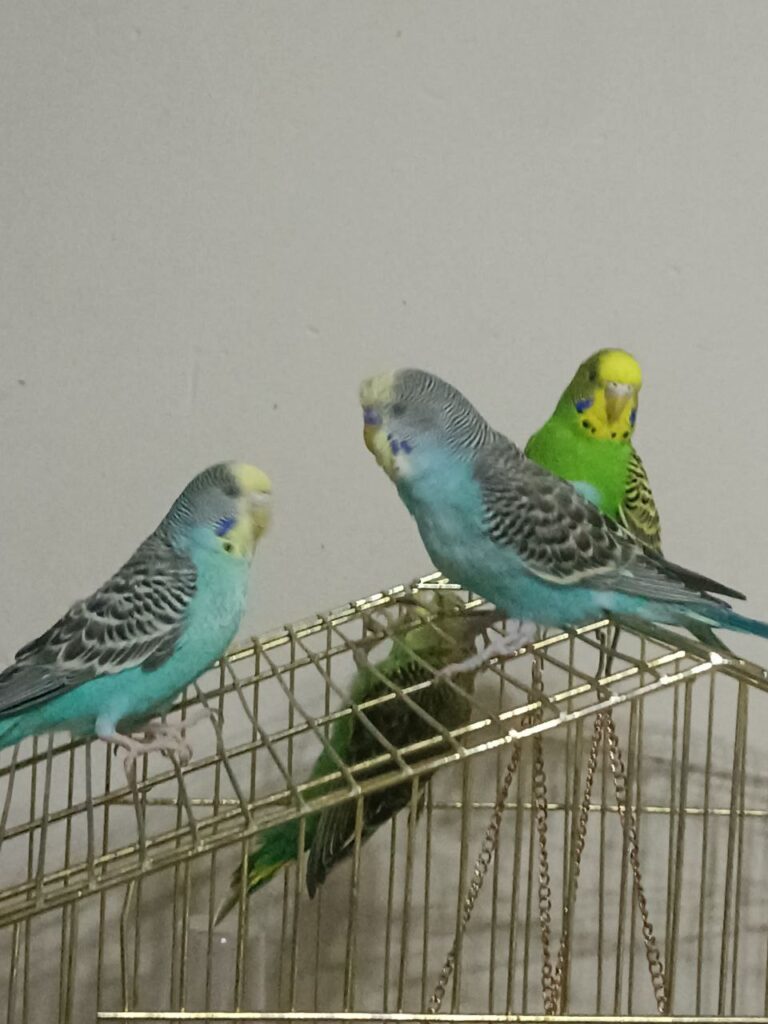
Your budgie’s beak isn’t just for eating — it’s also used for climbing, preening, and exploring. That’s why beak problems in budgies can quickly affect their health and happiness. Understanding what’s normal and what’s not can help you keep your little bird safe and healthy.
Causes, Signs, and How to Help
🧠 What a Healthy Budgie Beak Looks Like
Before spotting problems, it helps to know what a healthy beak should look like:
- Smooth surface without cracks or rough edges
- Natural curve on the upper beak
- Symmetrical shape
- No overgrowth or discoloration
- Normal eating and preening behavior
💡 Tip: Your budgie should be able to eat seeds, veggies, and toys easily without pain or difficulty.
⚠️ Common Budgie Beak Problems
Budgie beaks can show signs of different issues — from poor diet to disease. Here are the most common ones:
1. 🪶 Overgrown Beak
This happens when the beak grows too long due to:
- Lack of chewing toys or cuttlebones
- Liver disease
- Nutritional imbalance
🩺 What to do: Provide safe chew toys and a cuttlebone. If the beak keeps overgrowing, a vet can trim it safely.
2. 🧩 Scaly Face Mites (Knemidokoptes)
These tiny mites cause crusty, flaky skin around the beak, eyes, and legs.
You might notice:
- White or gray crusts
- Itching and rubbing the face on perches
- Beak deformity over time
🩺 What to do: Visit an avian vet immediately. Mite sprays or ivermectin treatments can clear the infestation safely.
3. 🍎 Beak Discoloration or Softness
A pale, flaky, or soft beak can be linked to vitamin deficiency — especially a lack of vitamin A.
Poor nutrition from an all-seed diet often causes this.
🩺 What to do: Offer fresh foods like carrots, spinach, sweet potato, and broccoli for better nutrition.
4. 🧱 Beak Injury or Cracks
Budgies sometimes hurt their beaks by falling, fighting, or hitting cage bars.
You may see:
- Chips or cracks
- Bleeding
- Difficulty eating
🩺 What to do: Clean small cracks with warm water. If the beak bleeds or looks broken, go to the vet — the beak might need repair or support.
5. 🩸 Beak Misalignment (Cross Beak)
This can be genetic or caused by trauma during growth. The top and bottom beaks don’t line up properly, making it hard to eat.
🩺 What to do: A vet can gently file the beak and suggest a soft diet if needed.
🥬 How to Prevent Beak Problems
Keeping your budgie’s beak healthy is mostly about good care and nutrition:
- 🧀 Provide a cuttlebone or mineral block for natural filing.
- 🥕 Feed a balanced diet with seeds, pellets, and fresh vegetables.
- 🧸 Offer safe chew toys to keep the beak active.
- 🧼 Keep the cage clean to avoid infections or mites.
- 👩⚕️ Schedule regular vet check-ups — especially if your budgie’s beak grows unevenly.
👉 Also read: How to Care for a Budgie with EggsHow to Care for a Budgie with Eggs
💬 Remember
Your budgie’s beak health reflects its overall well-being.
If you notice crusts, overgrowth, color change, or bleeding, don’t ignore it — early treatment makes a huge difference.
With a healthy diet, clean cage, and toys to chew on, your budgie will keep that beautiful beak in perfect shape! 🩷
❓ FAQ – Budgie Beak Care
1. Why is my budgie’s beak peeling?
Mild peeling is normal during growth, but too much flaking can mean vitamin deficiency.
2. My budgie’s beak looks too long — can I trim it myself?
No. Always let an avian vet trim it to avoid pain or bleeding.
3. What causes crusty beaks in budgies?
Scaly face mites are the most common reason for crusty buildup.
4. How often should I check my budgie’s beak?
Weekly is ideal — during feeding or cage cleaning, do a quick visual check.
5. What foods help beak health?
Carrots, spinach, bell peppers, and broccoli — rich in vitamin A and calcium.
Geri bildirim: Why Is My Budgie Shaking Its Wings? - Budgie Care Guide Why Is My Budgie Shaking Its Wings? Budgie Health & Care