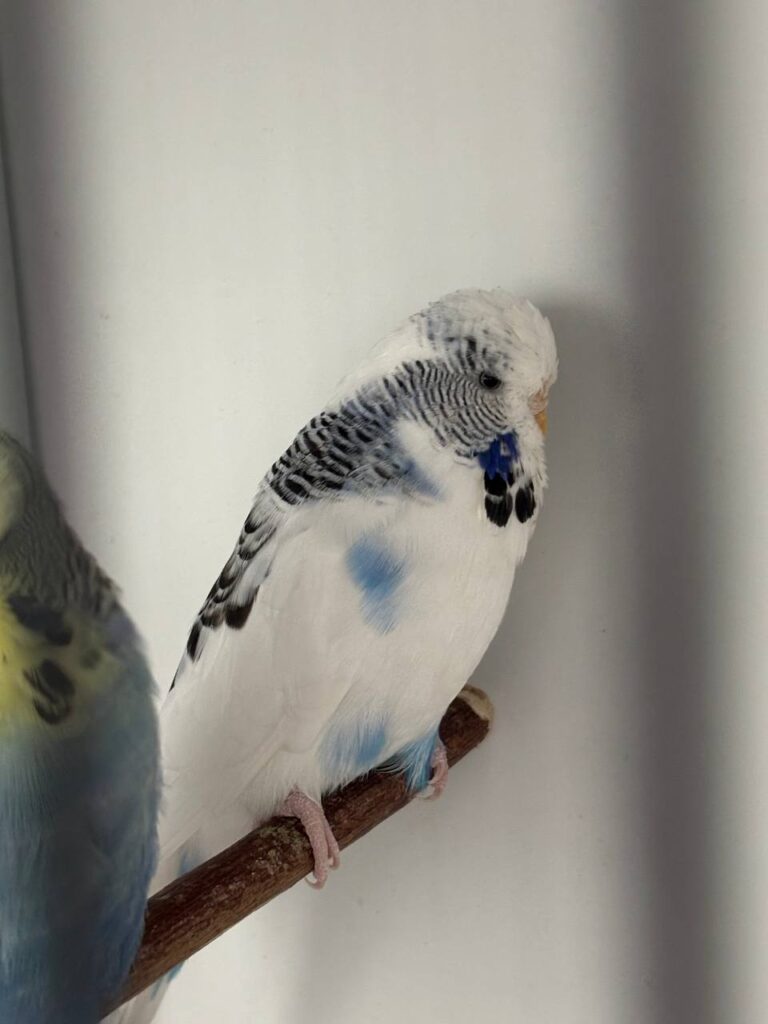
When your budgie starts sneezing, acting tired, or stops eating, it’s natural to worry. Many bird owners immediately think, “Should I give antibiotics?” But before you reach for any medicine, it’s important to understand how antibiotics work and when they should (and shouldn’t) be used for your little feathered friend.
Budgie Antibiotics: What You Should Know Before Giving Medicine to Your Bird 💊
🦠 What Are Antibiotics and How Do They Help Birds?
Antibiotics are medicines that fight bacterial infections — not viral or fungal ones.
They can be life-saving when used correctly, but dangerous when used the wrong way.
Budgies are tiny creatures with fast metabolisms, which means a wrong dose or wrong medicine can quickly make things worse instead of better. That’s why only a vet should prescribe antibiotics for your bird.
👉 Never use leftover human or pet antibiotics for your budgie.
🩺 When Do Budgies Need Antibiotics?
Antibiotics might be necessary if your budgie shows signs of a bacterial infection, such as:
- Continuous sneezing or breathing problems 😷
- Swollen eyes or nasal discharge 👀
- Diarrhea or messy droppings 💩
- Fluffed-up feathers and lack of energy 🪶
- A visible wound that looks red or swollen
Only a qualified avian vet can confirm if the infection is bacterial through an exam or lab test. Antibiotics won’t help viral or fungal infections, and misuse can make bacteria stronger (antibiotic resistance).
💧 How Are Antibiotics Given to Budgies?
Once a vet prescribes antibiotics, there are a few ways they can be given:
- Liquid antibiotics in drinking water or food.
- Oral drops directly into the beak using a tiny syringe.
- Injections, but only by a vet for serious infections.
A full course usually lasts 5 to 10 days.
Even if your budgie looks better after a few days, always finish the treatment — stopping early can bring the infection back stronger.
🌿 Safe Natural Alternatives and Prevention Tips
While antibiotics are sometimes necessary, prevention and natural care are even more powerful:
- Give your budgie fresh water daily and keep the cage spotless.
- Add apple cider vinegar (a few drops in water once a week) to support gut health.
- Use cuttlebone and fresh greens to boost the immune system.
- Avoid cold drafts and sudden temperature changes.
- Let your budgie enjoy natural sunlight for vitamin D.
These small steps can prevent many common bacterial problems.
👉 Also read: Antibiotics
🧠 Common Mistakes Bird Owners Make
Here are a few things you should never do when it comes to antibiotics:
🚫 Don’t use medicine without a vet’s prescription.
🚫 Don’t guess the dose based on internet advice.
🚫 Don’t stop treatment early.
🚫 Don’t mix antibiotics in the wrong water ratio — it reduces effectiveness.
A quick vet visit can save your bird’s life and ensure you use the right treatment safely.
❓ FAQ – People Also Ask
1. Can I give my budgie human antibiotics?
No! Human antibiotics can be toxic for birds. Always see a vet first.
2. What are safe antibiotics for budgies?
Your vet will decide based on the infection type and test results.
3. Can I buy bird antibiotics online?
It’s risky. You may get the wrong dose or type. Always use vet-prescribed medicine.
4. My budgie seems sick, should I start antibiotics just in case?
No. Some illnesses are viral or nutritional — antibiotics won’t help and may harm.
5. How can I prevent infections in my budgie?
Keep the cage clean, offer healthy food, and avoid sudden cold or stress.
Geri bildirim: Budgie Antibiotic Names - Budgie Care Guide Budgie Antibiotic Names Budgie Health & Care