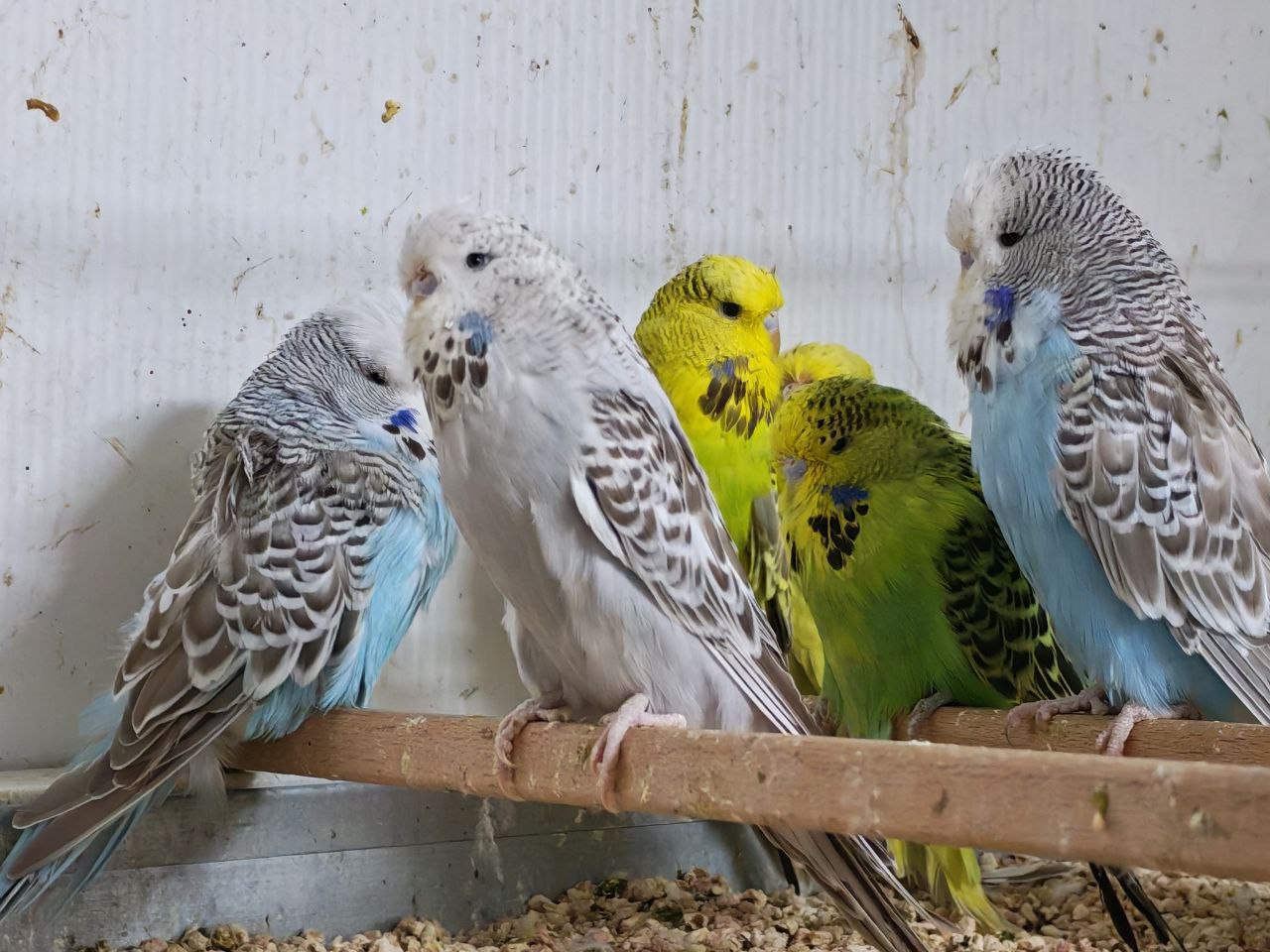
A healthy budgie beak is more than just cute — it’s essential for eating, climbing, and playing. Your budgie’s beak is like its hands and mouth combined! But how do you know if it’s healthy, and what can you do to keep it that way?
In this guide, you’ll learn how to recognize a healthy beak, spot early warning signs of problems, and care for it naturally. 🪶
🪞 1. What a Healthy Budgie Beak Looks Like
A healthy beak should be:
- 🧡 Smooth and even — no cracks or flakes.
- 🧡 Symmetrical — both sides match in shape.
- 🧡 Firm, not soft — hard enough for seed cracking.
- 🧡 Proper length — not too long or curved.
- 🧡 Natural color — males usually have blue ceres, females brown or tan.
💡 If your budgie eats, preens, and climbs normally, its beak is likely healthy.
🦴 2. Why Beak Health Matters
Your budgie uses its beak for everything: eating, climbing, playing, cleaning, even showing affection. ❤️
A damaged or overgrown beak can make it hard to eat or breathe, and it may indicate other health issues like:
- Vitamin or mineral deficiency
- Liver disease
- Infections or mites
Regularly checking your budgie’s beak helps you spot problems early before they become serious.
🪚 3. Natural Ways to Keep Your Budgie’s Beak Healthy
Here’s how you can support healthy beak growth at home:
✅ Provide cuttlebone or mineral blocks — they help wear down the beak naturally.
✅ Add wooden perches and toys — gnawing keeps the beak in shape.
✅ Offer a balanced diet — include fresh veggies (carrots, spinach) and seeds.
✅ Encourage chewing play — give safe branches or toys made for parrots.
✅ Avoid soft-only diets — too much soft food can cause overgrowth.
👉 Also read: [Trim Budgie Beak – Safe Home Care Tips ✂️]
⚠️ 4. Signs of Beak Problems
Watch for these warning signs that your budgie’s beak might not be healthy:
🚨 Overgrown beak: too long, curved downward, or uneven.
🚨 Flaky or peeling surface: could mean vitamin deficiency.
🚨 Discoloration: pale or dark spots may show liver issues.
🚨 Difficulty eating: dropping food or struggling to bite.
🚨 Cracks or bleeding: sign of trauma or infection.
If you notice any of these, visit an avian vet for a check-up. Do not try to trim the beak yourself unless trained — improper cutting can cause pain or bleeding.
🌿 5. Diet for a Healthy Beak
A balanced diet keeps the beak strong and shiny! Include:
- 🥦 Fresh greens (spinach, kale, broccoli)
- 🥕 Carrots and sweet potatoes for vitamin A
- 🌰 Seeds and pellets (main diet base)
- 🐚 Cuttlebone for calcium
- 💧 Clean water daily
Avoid:
❌ Junk food or human snacks
❌ Too much soft fruit
❌ Processed bird treats with sugar
A nutrient-rich diet = a strong, perfect beak! 💪
💡 Remember
Your budgie’s beak is a mirror of its health.
Keep it clean, provide natural chewing toys, and ensure a healthy diet — your feathered friend will stay happy and active for years! 🌈
❓ Frequently Asked Questions (FAQ)
1. How often should I check my budgie’s beak?
Check it weekly while cleaning the cage or during playtime.
2. My budgie’s beak is growing too long — what should I do?
Visit an avian vet. Don’t trim it at home unless professionally advised.
3. What causes a budgie’s beak to peel?
Usually vitamin A deficiency or dryness — improve diet and humidity.
4. Is it normal for budgies to rub their beaks?
Yes! They rub to clean or smoothen the beak — it’s a healthy habit.
5. How can I make my budgie’s beak stronger?
Provide cuttlebone, mineral blocks, and a diet rich in vitamins and minerals.

“Healthy Budgie Beak” üzerine bir yorum